Vape Cartridges: Everything Dispensary Buyers and Cannabis Brands Need to Know
Vape cartridges, commonly called vape carts, are one of the fastest-growing product categories in cannabis retail. Whether you’re stocking a dispensary or developing products through white-label manufacturing, understanding the vape cart market, the legal supply chain, and what distinguishes high-quality hardware and oil is essential.
This guide covers everything dispensary buyers and cannabis brands need to know about vape carts, from how they function to what to consider when purchasing wholesale.
What Is a Vape Cart?
A vape cart is a pre-filled cartridge that contains cannabis oil. These cartridges are designed to connect with a vape battery, usually using a 510-thread connection. When activated, the oil inside the cart is heated and turned into vapor.
If you’re wondering what is a cart in the context of cannabis, it’s simply a compact oil cartridge that works with a vape pen to produce inhalable vapor.
Understanding the Licensed Supply Chain
Before vape carts reach consumers, they move through a regulated and licensed supply chain designed to ensure product traceability and compliance:
- Licensed processors extract and formulate cannabis oil, then fill cartridges using approved manufacturing practices.
- Licensed distributors handle testing, transport, and compliance documentation. Licensed
- Licensed dispensaries sell finished vape cartridges to consumers in accordance with state or provincial regulations.
Every step of this supply chain operates under cannabis laws that govern production, testing, packaging, and retail distribution. This ensures that vape cartridges sold in legal dispensaries meet regulatory standards for safety and transparency.
Why Vape Carts Are Popular in Today's Cannabis Market
Vape cartridges have become a staple product for many cannabis consumers because they offer:
- Convenience: small, pre-filled, and easy to use
- Portability: discreet and travel-friendly
- Product variety: available in multiple strains, terpene profiles, and cannabinoid ratios
- Consistency: each cart delivers a predictable user experience and standardized oil formulation
Whether they’re called vape carts, cartridges, or simply carts, their purpose remains the same: to deliver a clean, convenient way to enjoy THC, CBD, or other cannabinoids in a controlled, vaporized format without the need for combustion..
Basic Components of a Vape
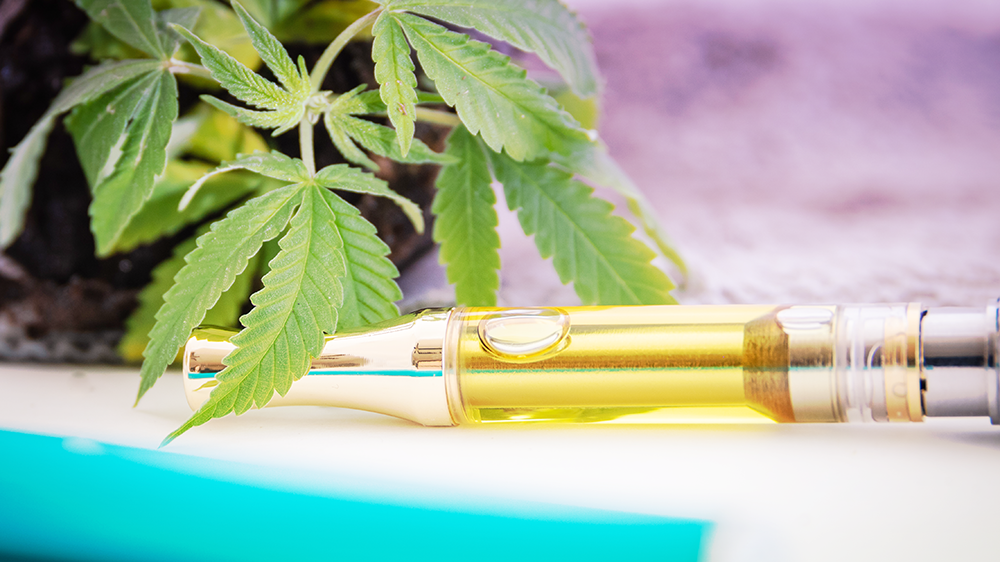
Vape cartridges may look simple, but each component plays a critical role in how the hardware performs and how the cannabis oil is delivered. Understanding these parts helps dispensaries evaluate product quality and confirm hardware compatibility before placing wholesale orders.
Key Components
- Cartridge Body: Usually glass or durable polycarbonate, designed to protect the oil and maintain cleanliness.
- Heating Element (Coil): Often ceramic for even heating and compatibility with thicker oils. Must meet material-safety standards.
- Oil Chamber: Holds the cannabis oil with proper sealing to prevent leaks.
- Mouthpiece: The part you inhale from. The design may vary to improve airflow and comfort.
- Battery: Supplies power to the cartridge. Most use a 510-thread system for compatibility, along with the following features: on/off button, an indicator light, and charging port.
Heating and Vaporization
When the cart is connected to a battery and the user inhales, the coil inside the cartridge heats up. This warms the oil until it vaporizes, releasing cannabinoids and terpenes without burning the material. The result is a smooth, flavorful experience with less odor and no smoke.
Quality Standards Dispensaries Should Check
- Material Safety: Verify components are stainless steel, ceramic, or glass approved for cannabis use.
- Lab Testing Documentation: Check COAs for cannabinoid accuracy, terpene disclosure, and compliance testing.
- Battery Compatibility Standards: Ensure carts match standard 510-thread batteries and recommended voltage ranges.
Popular Types of Vape Carts You Will See in Dispensaries
Licensed New York dispensaries carry a wide range of vape carts, each made with different extraction methods and oil types. Below is an expanded overview, with examples from Jive Vape Carts that you can find across New York, to help buyers compare categories.
1. Distillate Cartridges
Distillate cartridges are among the most widely recognized vape products in dispensaries. They contain highly refined cannabis oil with a consistent cannabinoid profile, often blended with botanical or cannabis-derived terpenes for flavor and aroma. Distillate carts typically offer clear oil, stable formulations, and predictable batch-to-batch consistency.
Jive’s Black Cherry Fizz distillate cart contains approximately 74.55% THC, offering bright cherry soda and vanilla-inspired flavor notes supported by clean hardware and a steady draw. This product is perfect for anyone who wants a straightforward, predictable experience every time.
Before Purchasing Distillate Cartridges
Confirm terpene sources
(botanical vs. cannabis-derived).
Ensure the oil viscosity is appropriate for the hardware type.
Review clear labeling for THC%, content weight, batch identification, and ingredients.
2. Live Resin or High-Terpene Cartridges
Live resin and high-terpene extract carts are made from flash-frozen cannabis to retain more of the plant’s native terpene composition. These carts are popular for strain-character authenticity and richer aromatic profiles compared to standard distillate.
Jive’s Sour Tangie live resin cart, testing around 76.69% THC, highlights citrus-forward, strain-specific aroma characteristics.
Before Purchasing Live Resin or High-Terpene Cartridges
Ensure strain names match licensed genetics supplied to extractors.
Make sure terpene percentages and oil preparation are documented in test results.
Verify packaging states “live resin” and not simply “live terpenes.”
3. Hybrid Cartridges
Hybrid carts blend attributes of multiple cultivars and are positioned for shoppers looking for versatile, strain-inspired profiles suitable for varied preferences. These cartridges often feature balanced terpene blends and mid-range flavor profiles.
Jive’s Rainbow Belts hybrid cart (~74.55% THC) features candy-inspired, fruit-forward flavor notes with a profile that fits a wide range of consumer preferences.
Before Purchasing Hybrid Cartridges
Make sure that cannabinoid percentages and terpene lists are accurate.
Ensure proper hybrid or “balanced”labeling compliant with NY regulations.
Review consistency between product naming, strain profile, and COA.
4. Sativa-Dominant Cartridges
Sativa-dominant carts are categorized based on cultivar lineage rather than effects. These cartridges typically include terpene blends associated with bright, citrusy, or tropical flavor families and are labeled for daytime-oriented product positioning in dispensaries.
Jive’s Orange Pineapple Crush cart (~75.3% THC) features citrus and tropical-inspired aromas that reflect typical sativa-leaning terpene combinations, and are perfect for mood boosting and focus. Look for “Sativa,” “Uplift,” or “Daytime” on the label when browsing in New York.
Before Purchasing Sativa-Dominant Cartridges
Verify that “Sativa” reflects cultivar classification, not effects.
Ensure accurate THC% and terpene disclosure in lab results.
Inspect batch consistency across multiple deliveries.
5. Indica-Dominant Cartridges
Indica-dominant carts are grouped according to their cultivar lineage. These cartridges often feature deeper, dessert-like, berry, or earthy terpene profiles and are typically positioned as evening-oriented options within dispensaries.
While Jive’s catalog highlights hybrid and sativa-forward options, the brand also includes indica-leaning strain profiles that appeal to shoppers who prefer richer, heavier flavor notes.
Before Purchasing Indica-Dominant Cartridges
Confirm that “Indica” labeling refers to cultivar grouping only.
Ensure full terpene disclosure and batch-specific COAs.
Make sure that packaging is aligned with NY’s 2026 labeling requirements.
Takeaway for New York Shoppers
When you shop for vape carts in New York, the label tells you what you need to know. Indica, hybrid, and sativa describe the strain family, not effects. THC is shown as “total THC” so products are easy to compare. Each package also lists the licensed processor, license number, and batch ID, which you can verify on the OCM website.
New York’s updated labeling rules require:
- Indica, Hybrid, Sativa: These terms describe strain grouping based on plant genetics.
- THC Percentage: Shown as total THC using a state-approved calculation.
- Licensed Manufacturer Info: Every label must list the processor name, license number, and batch/lot ID that match the COA
- Required Details: Ingredients, terpenes, net weight, warnings, and New York’s cannabis symbols
- Controlled Dosing: Users can take one puff at a time for more precision.
- Consistent Flavor: High-quality carts maintain flavor from the first puff to the last.
Why Vape Carts Are In Demand?
- Easy to Carry: Fits in a pocket, bag, or purse.
- Simple to Use: No tools or preparation required.
- Low Maintenance: No ash, mess, or cleanup needed.
- Discreet: Minimal odor and visible vapor.
- Controlled Dosing: Users can take one puff at a time for more precision.
- Consistent Flavor: High-quality carts maintain flavor from the first puff to the last.

For those new to vaping, learning how to use a cart is incredibly straightforward. Most consumers only need to attach the cart to a battery and inhale.
Although vape carts are often seen as beginner-friendly, they are also appreciated by long-time users who want a convenient and efficient way to consume cannabis.
Benefits for Wholesale Buyers
- Attractive Packaging: Vape carts look sleek on retail shelves with professional branding and compliant labels.
- Long Shelf Life: When stored correctly, carts maintain potency and flavor longer than many edibles or flower products.
- Low Waste: Durable and sealed cartridges mean fewer returns due to leakage or spoilage.
If you’re exploring what are carts from a retail buyer’s perspective, they represent a low-barrier entry point to offering vapor products with high consumer demand and great profit margins.
What to Look for in Wholesale Vape Carts
Not all vape carts are created equal. Here are the top things to check when evaluating a supplier.
Hardware and Build
- Look for ceramic coils if flavor and performance are priorities.
- Choose glass cartridges for a more premium presentation.
- Ensure the product is airtight to preserve freshness and prevent leakage.
Pricing and Order Flexibility
- Make sure the price reflects oil quality, cartridge design, and packaging.
- Ask about minimum order quantities. Some manufacturers offer lower MOQs to support new dispensaries or smaller retailers.
Differences Between Vape Carts and Disposable Vapes
If you’re new to vaping, you’ll quickly notice two main options in dispensaries: vape cartridges (carts) and disposable vapes. Both deliver cannabis oil through vapor, but they differ in design, convenience, and cost.
Pre-Filled vs. Replaceable: Carts attach to reusable 510-thread batteries; disposables include a built-in battery used once.
Battery Compatibility: Carts require external batteries; disposables are self-contained.
Packaging Differences: Carts are sold as standalone hardware; disposables include integrated electronics and require different storage and handling.
In short, vape carts are better for flexibility and sustainability, while disposables win on simplicity and ease of use.
Tips for Dispensary Buyers
Before making your first wholesale vape cart purchase, consider the following advice:
Ask the Right Questions
- Has the oil been tested for potency, residual solvents, and contaminants?
- Is the packaging child-resistant and tamper-evident?
- Can I order samples before committing to a bulk order?
Add More Value
- Consider bundling carts with batteries or chargers.
- Use packaging that tells your brand story and includes compliance details.
- Offer limited-edition or seasonal strain drops to generate excitement.
Best Practices for Storing and Handling Vape Carts
Even though vape carts are easy to manage, proper handling ensures better performance and shelf life.
- Store upright: Prevents leaking and helps maintain oil positioning.
- Avoid heat and sunlight: High temperatures can degrade potency and terpenes.
- Do not freeze: This can thicken the oil and affect performance.
- Reseal unused carts: Protects against dust, moisture, and contamination.
Looking for Premium Vape Carts? We've got You Covered.
Whether you’re shopping for your next favorite cart or stocking your dispensary shelves, Jive delivers quality that stands out. Known for bold flavor, reliable performance, and a smooth draw every time, Jive Vape Carts are made for people who expect more from their experience.
For dispensaries, partnering with Jive Cannabis means offering customers premium, lab-tested carts with proven consistency and appeal. Whether you’re launching your first vape line or expanding your menu, Jive’s wholesale options make it easy to bring top-performing products into your store.
Partner with Jive to elevate your selection and give your customers something they’ll come back for again and again.
What Makes a Vape Cart ‘Compliant’ for Retail in 2026?
Compliance requirements ensure that vape cartridges sold in licensed dispensaries meet New York’s regulatory standards. A compliant vape cart must:
- Be produced by a licensed processor following approved manufacturing practices.
- Include third-party lab results that match the batch number on the package.
- Follow New York packaging rules, including child-resistant features and clear ingredient lists.
- Display required state symbols, warning language, and cannabinoid content.
- Use hardware components deemed safe for cannabis oil and compliant with OCM material regulations.
Dispensaries can only stock products that meet every element of this compliance chain.
Frequently Asked Questions
What is inside a vape cart?
Cannabis oil that may contain THC, CBD, and/or other cannabinoids, along with terpenes and potentially flavor additives.
Can I refill a vape cart?
Most carts are not refillable. Reuse can lead to leakage or inconsistent heating,
What is the difference between a 510-thread vape cart and other vape formats?
A 510-thread cart has a universal screw-on connection that works with most vape batteries, so you can reuse the same battery and just replace the cartridge. Other systems, like pods or brand-specific batteries, only work with their own hardware, so it’s important to choose products that are compatible.
How long does a cart last?
The lifespan of a vape cart depends on usage frequency, battery settings, and oil volume. A 0.5g or 1g cartridge typically lasts anywhere from several days to several weeks for most users. The product should be stored upright and kept in moderate temperatures to maintain oil stability and protect internal hardware components.
What do wholesale vape carts cost?
Prices typically range from $7 to $25 per unit depending on oil type, potency, cartridge build, and order volume.
Are cape carts legal in New York?
Yes, vape carts are legal in New York as long as they’re made by licensed processors, tested by approved labs, and sold in licensed dispensaries. You can confirm a product is legal by checking the label for the batch ID, license number, and required New York OCM markings.
How can I verify that a vape cart is licensed?
Every legal New York vape cart must list the processor’s license number, batch or lot ID, manufacturing date, and matching lab results. You can verify this information on the OCM website or through QR codes—if a product doesn’t include these details, it isn’t part of the licensed market.